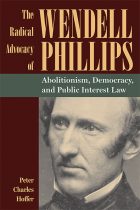
In this brisk, engaging exploration of 19th-century radical reformer and abolitionist Wendell Phillips, Peter Charles Hoffer makes the case that Phillips deserves credit as the nation’s first public interest lawyer, someone who led the antebellum crusade against slavery and championed ...
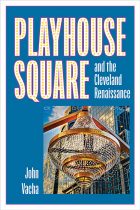
John Vacha is the first to write a comprehensive, in-depth account of Playhouse Square’s history, beginning with the Square’s 1921 opening and describing how the COVID-19 pandemic once again left its theaters temporarily empty before their triumphant reopenings in 2022. ...
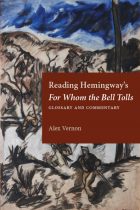
Published in 1940, Ernest Hemingway’s For Whom the Bell Tolls is widely considered a masterpiece of war literature. A bestseller upon its release, the novel has long been both admired and ridiculed for its depiction of Robert Jordan’s military heroism ...
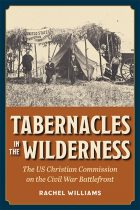
Tabernacles in the Wilderness discusses the work of the United States Christian Commission (USCC), a civilian relief agency established by northern evangelical Protestants to minister to Union troops during the American Civil War. USCC workers saw in the Civil War ...
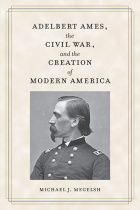
A central figure in Reconstruction-era politics, Adelbert Ames and his contributions during a significant and uncertain time in American history are the focus of Michael J. Megelsh’s fascinating study. As Megelsh discusses, Ames’s life took many compelling turns. Born on ...
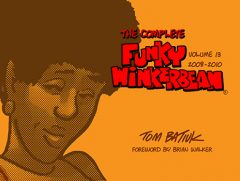
This latest installment of The Complete Funky Winkerbean presents the comic strips from 2008, 2009, and 2010 and ushers the original Funky characters into middle age. In true Funky fashion, the characters have to grapple with very serious issues: nearly ...